Blood is a vital fluid connective tissue that performs many essential functions for life. Blood consists of several key components that work in harmony to ensure the proper functioning of the body. These components include red blood cells, white blood cells, platelets, and plasma.
Erythrocytes
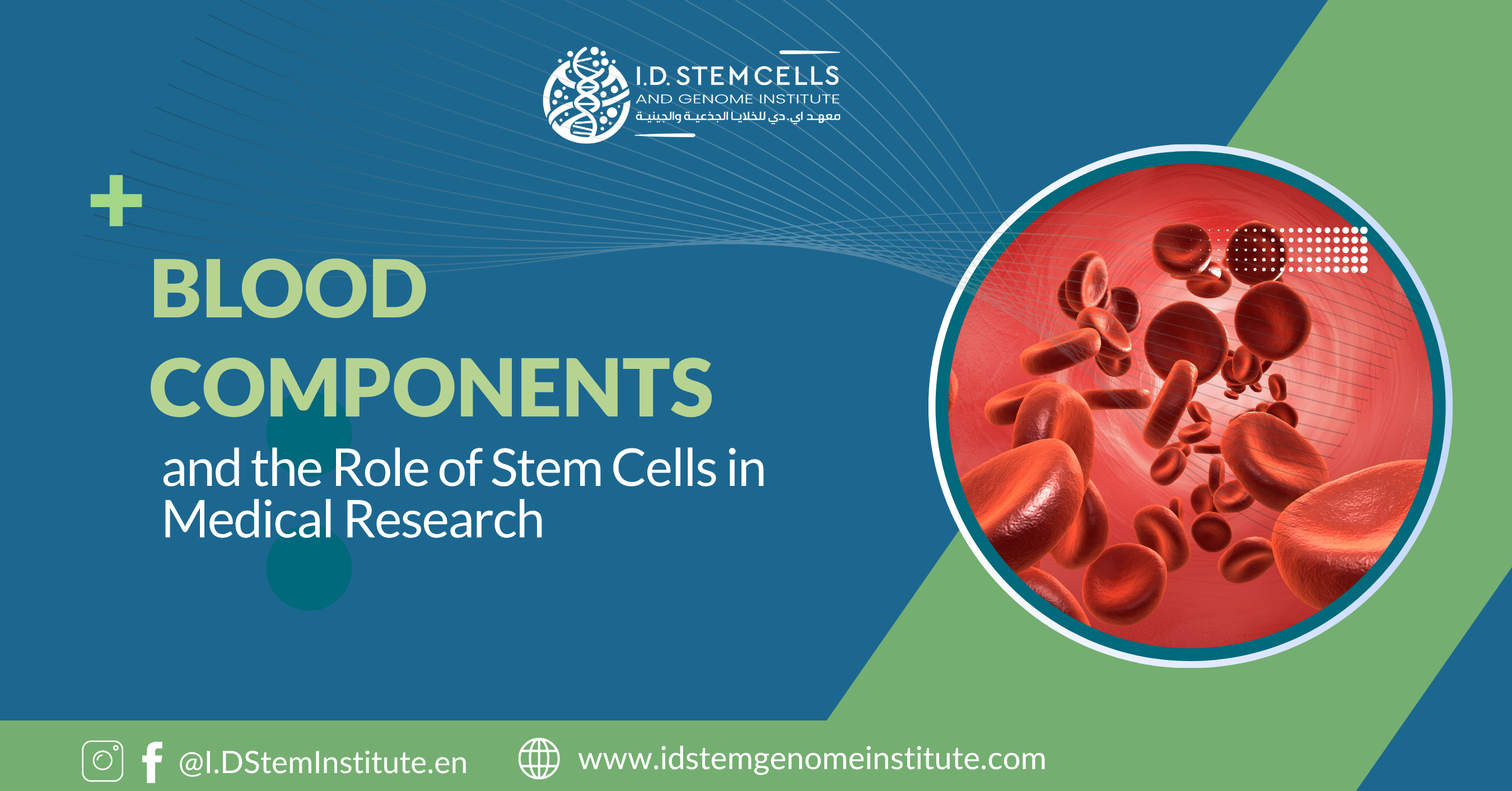
Red blood cells are the most abundant type of blood cell and are responsible for transporting oxygen from the lungs to the body's tissues and carbon dioxide from the tissues to the lungs. This type of cell contains hemoglobin, an iron-rich protein that gives blood its distinctive red color. Their concave, disc-shaped shape helps them maximize their surface area relative to their volume, facilitating efficient gas exchange.
Erythrocytes
Red blood cells are the most abundant type of blood cell and are responsible for transporting oxygen from the lungs to the body's tissues and carbon dioxide from the tissues to the lungs. This type of cell contains hemoglobin, an iron-rich protein that gives blood its distinctive red color. Their concave, disc-shaped shape helps them maximize their surface area relative to their volume, facilitating efficient gas exchange.
White Blood Cells (Leukocytes)
White blood cells are an integral part of the immune system, defending the body against infection and foreign substances. There are several types of white blood cells, each with a specific function:
- Neutrophils: The most common type of white blood cell and the first line of defense against bacterial infections.
- Lymphocytes: Play a crucial role in adaptive immune responses, including antibody production and regulation of cellular immune functions
White Blood Cells (Leukocytes)
White blood cells are an integral part of the immune system, defending the body against infection and foreign substances. There are several types of white blood cells, each with a specific function:
- Neutrophils: The most common type of white blood cell and the first line of defense against bacterial infections.
- Lymphocytes: Play a crucial role in adaptive immune responses, including antibody production and regulation of cellular immune functions

- Monocytes: Can develop into macrophages and dendritic cells in tissues, where they engulf pathogens and cellular debris and present antigens to lymphocytes to stimulate an immune response.
- Eosinophils: Participate in immune responses against parasitic infections and also contribute to allergic reactions. Basophils: Release histamine and other chemicals during allergic reactions, contributing to the inflammatory response.
Platelets
Platelets are small, irregularly shaped cell fragments that play a vital role in blood clotting. When a blood vessel is injured, platelets gather at the site of injury to form a plug that helps stop bleeding. Platelets are activated and aggregate within the fibrin mesh, contributing to the strength and stability of the clot.
Platelets
Platelets are small, irregularly shaped cell fragments that play a vital role in blood clotting. When a blood vessel is injured, platelets gather at the site of injury to form a plug that helps stop bleeding. Platelets are activated and aggregate within the fibrin mesh, contributing to the strength and stability of the clot.
Plasma
Plasma is the liquid component of blood, making up about 55% of total blood volume. It is a pale yellow substance containing water, proteins (such as albumin, globulin, and fibrinogen), electrolytes, hormones, nutrients, and waste products. Plasma carries blood cells and other substances throughout the body.
Plasma
Plasma is the liquid component of blood, making up about 55% of total blood volume. It is a pale yellow substance containing water, proteins (such as albumin, globulin, and fibrinogen), electrolytes, hormones, nutrients, and waste products. Plasma carries blood cells and other substances throughout the body.
Uses of Blood Components
Different blood components are used to treat a wide range of medical conditions. Whole blood can be separated into its basic components and used separately to meet the specific needs of patients. For example, red blood cells can be transfused into patients with anemia, platelets can be given to patients with low platelet counts, and plasma can be used to treat bleeding disorders. Platelet-rich plasma (PRP) is also used in tissue engineering and regenerative medicine to promote tissue healing.
Uses of Blood Components
Different blood components are used to treat a wide range of medical conditions. Whole blood can be separated into its basic components and used separately to meet the specific needs of patients. For example, red blood cells can be transfused into patients with anemia, platelets can be given to patients with low platelet counts, and plasma can be used to treat bleeding disorders. Platelet-rich plasma (PRP) is also used in tissue engineering and regenerative medicine to promote tissue healing.
Understanding the components of blood and their functions is crucial in medicine. It enables doctors to diagnose and treat a variety of medical conditions, from infections and anemia to bleeding disorders and cancer. As research continues to advance, new applications for blood components are being discovered, further improving patient care and outcomes.