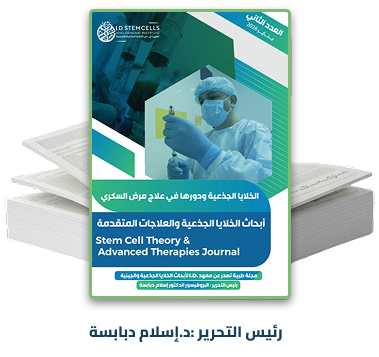
Dr.Islam dababseh
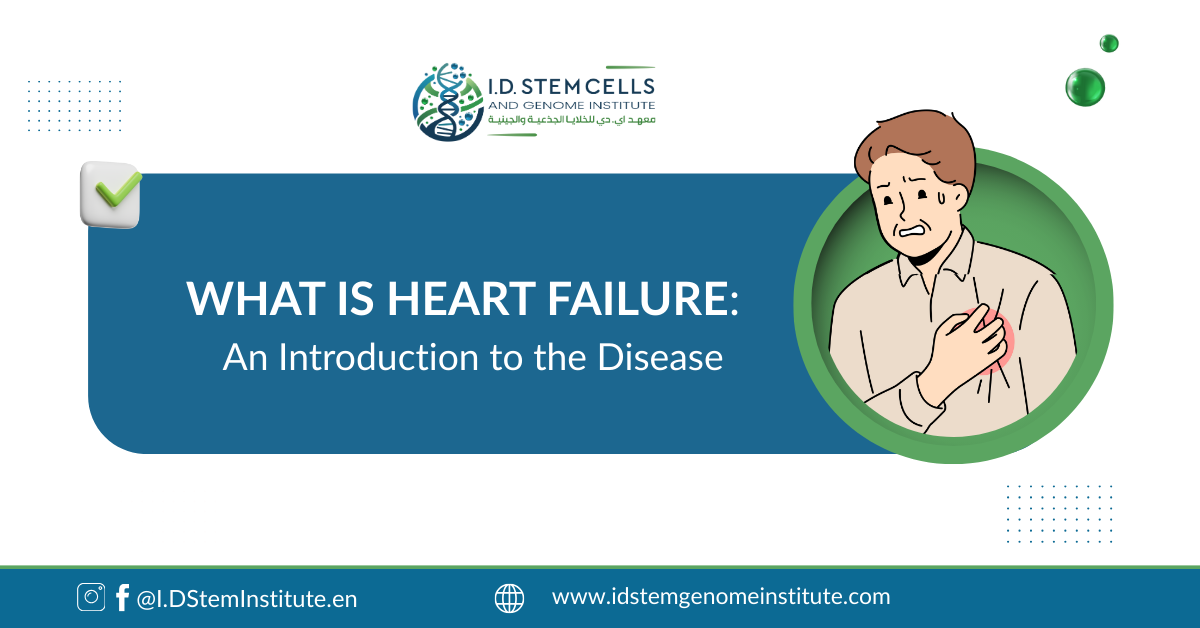
Heart failure (HF) affects approximately 40 million adults worldwide, and its prevalence is estimated to increase by 46% in the next decade.
Heart failure (HF) affects approximately 40 million adults worldwide, and its prevalence is estimated to increase by 46% in the next decade.
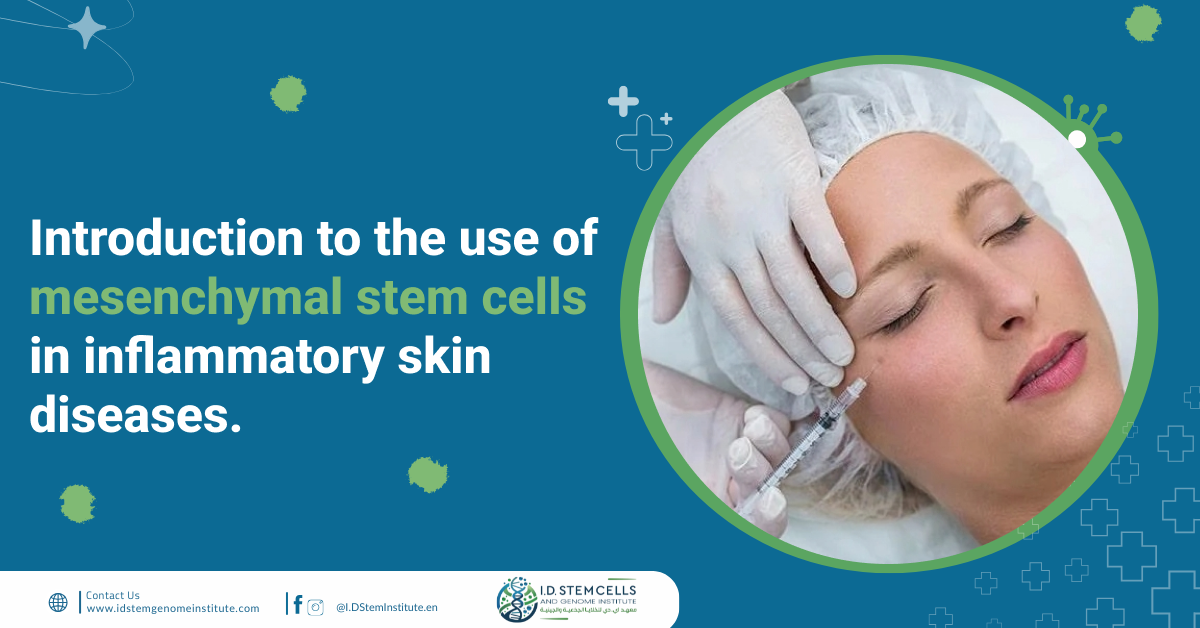
Dermatological diseases are of great public health importance due to their high prevalence and chronic nature, despite their non-lethal nature. In addition, skin symptoms often cause disfigurement, disability, and complications with discomfort, which can lead to significant psychological and physical burdens on patients.
Diabetes is a chronic metabolic disorder characterized by high blood glucose levels, resulting from a deficiency in insulin secretion or a poor response to it. This disease significantly impacts quality of life and can lead to serious complications if not properly controlled, such as diabetic retinopathy and diabetic foot syndrome. Recent research is focusing on the use of stem cells as a promising therapeutic approach for diabetes and its complications, with the goal of restoring the function of insulin-producing pancreatic beta cells or modifying the immune response.
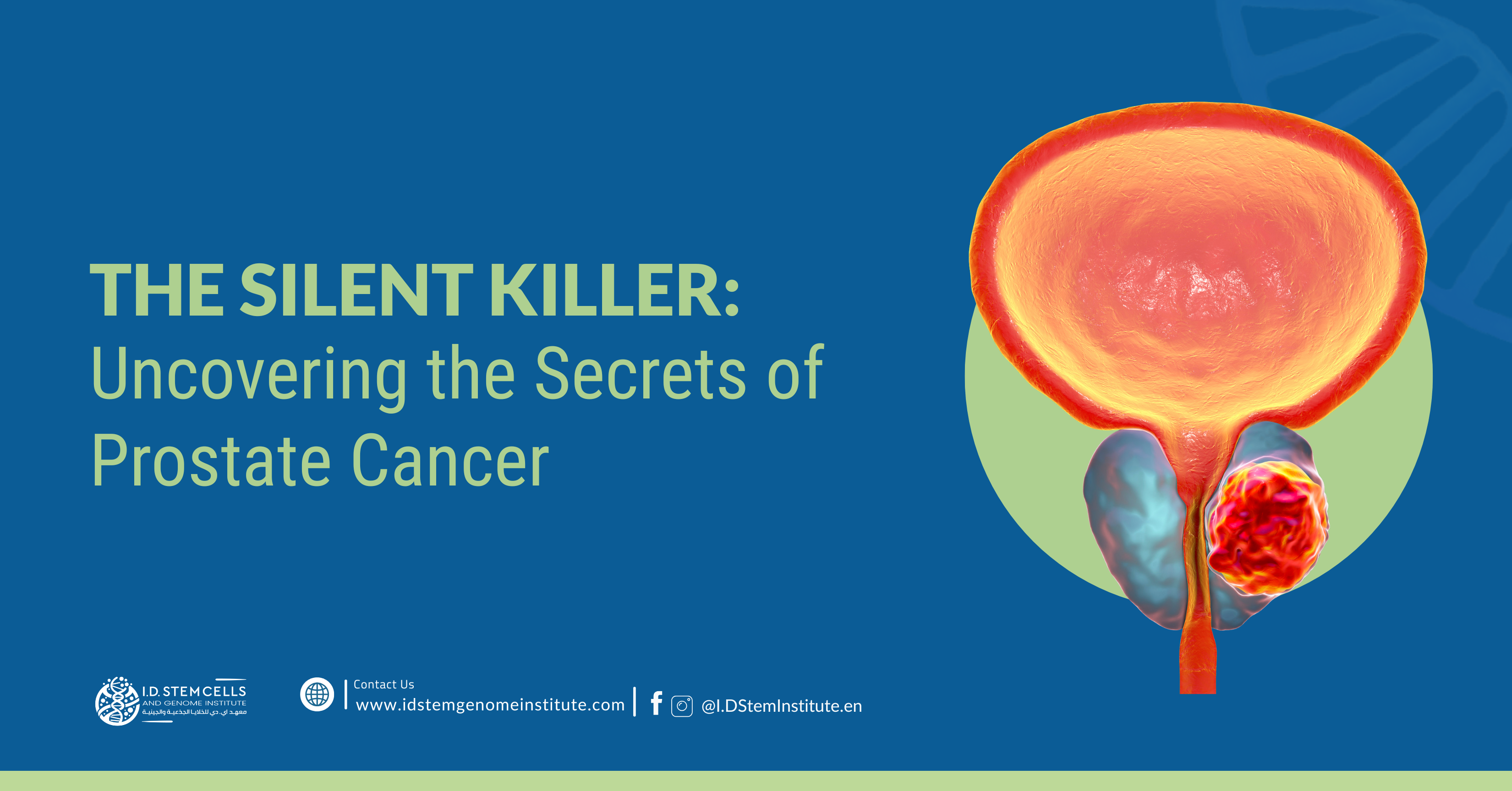
Prostate cancer is a malignant tumor that originates in the tissues of the prostate gland and is one of the most common cancers among men in Western countries. Globally, it is the second most commonly diagnosed cancer and the fourth leading cause of cancer death among men. In 2020, an estimated 1.4 million new cases of prostate cancer were diagnosed worldwide. Although many men diagnosed with prostate cancer do not die from it, and the five-year survival rate is over 90% if it is detected early and has not spread beyond the prostate, more aggressive forms can quickly spread to nearby organs, lymph nodes, and bones.
Exosomes require characterization and validation prior to therapeutic applications.
For immediate consultation with experts from the I.D. Institute for Stem Cell and Gene Research
For immediate consultation with experts from the I.D. Institute for Stem Cell and Gene Research
you may also like
23 September 2025
Preservation Methods Used for Exosome Storage
قراءة المزيد
20 September 2025
Stem Cell Therapy in Chronic Pain Management: A Regenerative Approach to Long-Term Relief
قراءة المزيد
20 October 2025
Source and Classification of Exosomes: A General Introduction
قراءة المزيد
05 February 2025
Mesenchymal stem cells definition overview
قراءة المزيد
you may also like
23 September 2025
Preservation Methods Used for Exosome Storage
قراءة المزيد
20 September 2025
Stem Cell Therapy in Chronic Pain Management: A Regenerative Approach to Long-Term Relief
قراءة المزيد
20 October 2025
Source and Classification of Exosomes: A General Introduction
قراءة المزيد
05 February 2025
Mesenchymal stem cells definition overview
قراءة المزيد
A medical journal published by the I.D. Institute for Stem Cell and Genome Research
A medical journal published by the I.D. Institute for Stem Cell and Genome Research
I.D. Educational Community
Join the I.D. Community, an interactive environment bringing together experts, alumni, and students. This community aims to:
Exchange Clinical Expertise: Discuss challenging medical cases to enhance treatment outcomes.
Discuss Cutting-edge Research: Explore contemporary debates such as Digital Twins, Gerontology, and AI in medicine.
Build Professional Networks: Connect with leaders in regenerative medicine and global health organizations.
I.D. Educational Community
Join the I.D. Community, an interactive environment bringing together experts, alumni, and students. This community aims to:
Exchange Clinical Expertise: Discuss challenging medical cases to enhance treatment outcomes.
Discuss Cutting-edge Research: Explore contemporary debates such as Digital Twins, Gerontology, and AI in medicine.
Build Professional Networks: Connect with leaders in regenerative medicine and global health organizations.