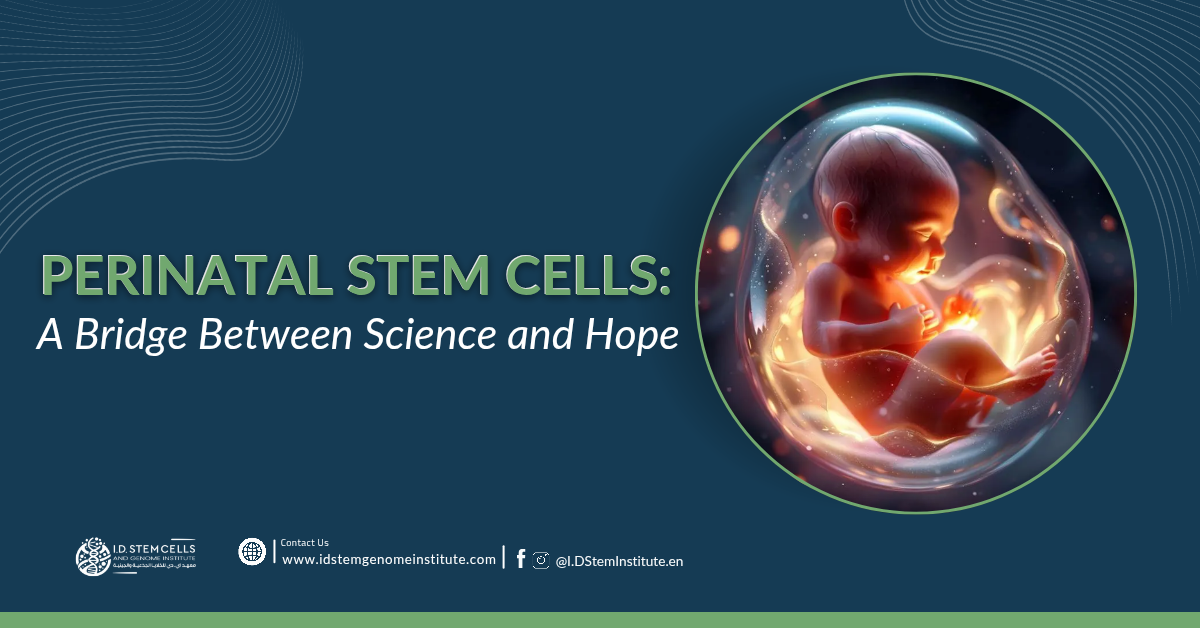
In the world of regenerative medicine, where scientific dreams are hatched to repair damaged tissues and restore lost functions, perinatal stem cells emerge as a promising star, combining diverse advantages.
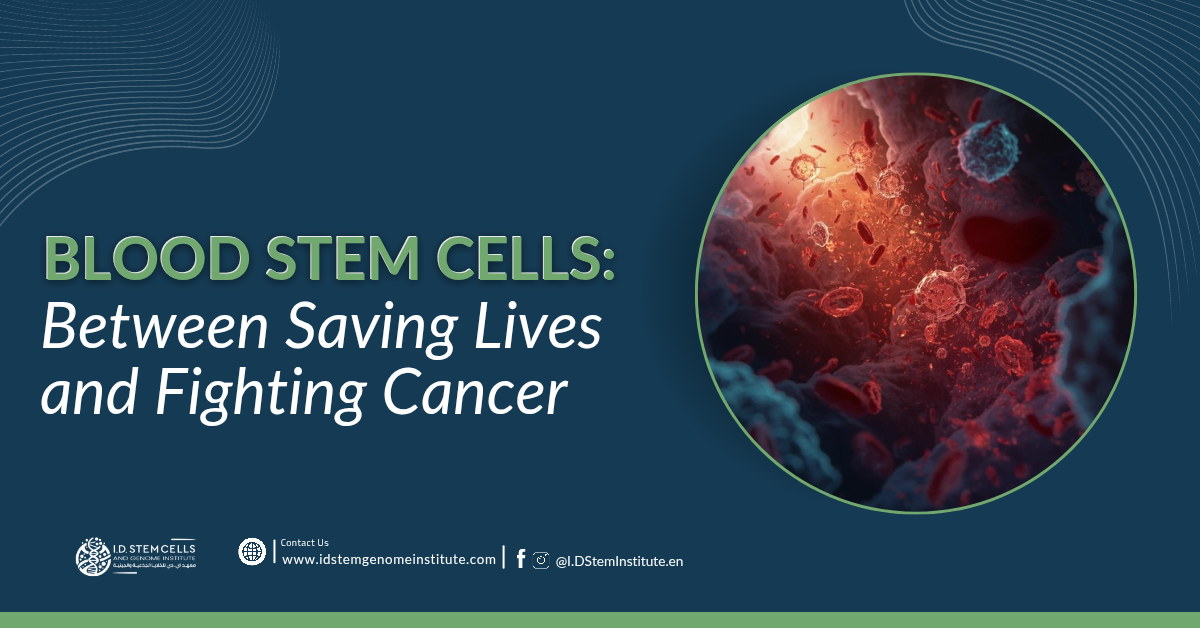
In the world of modern medicine, stem cells represent a "renewed hope" due to their unique ability to repair damaged tissue and replace diseased cells. Their discovery began in the late 19th century, when scientists noticed that some cells possessed a mysterious ability to regenerate and differentiate into different types. However, it took a century of research to unravel their secrets.
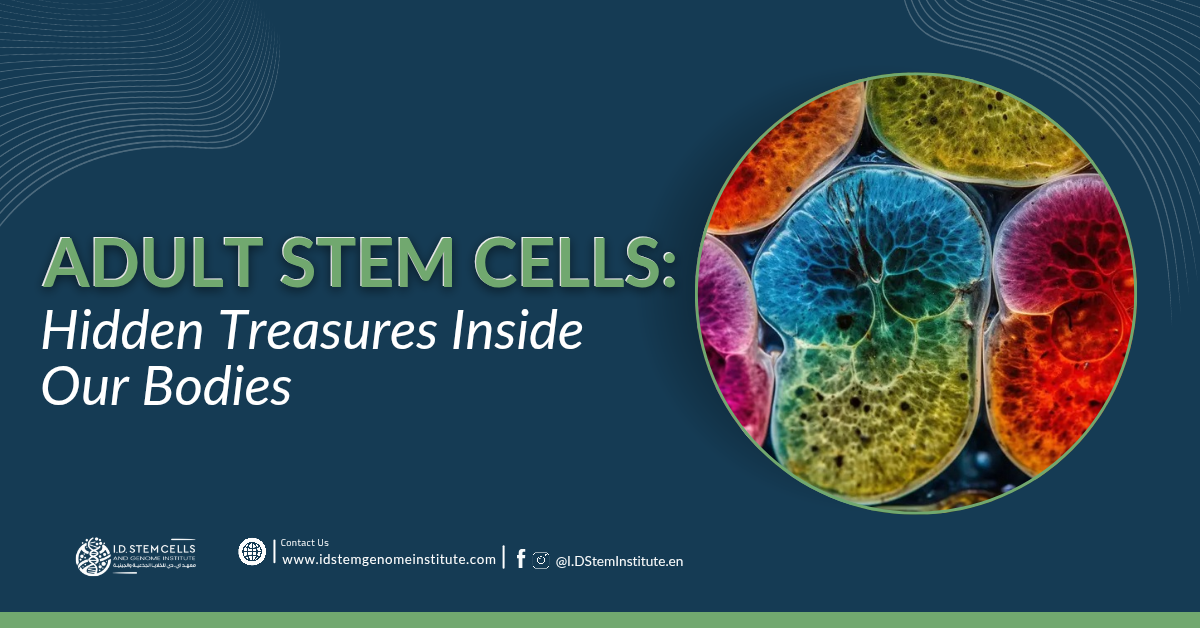
In the world of regenerative medicine, adult stem cells (ASCs) are considered "silent heroes," working tirelessly to maintain and repair body tissues. Unlike embryonic stem cells (ESCs), which are subject to ethical controversy, ASCs are found in adult tissues such as bone marrow, skin, muscle, and even the brain.
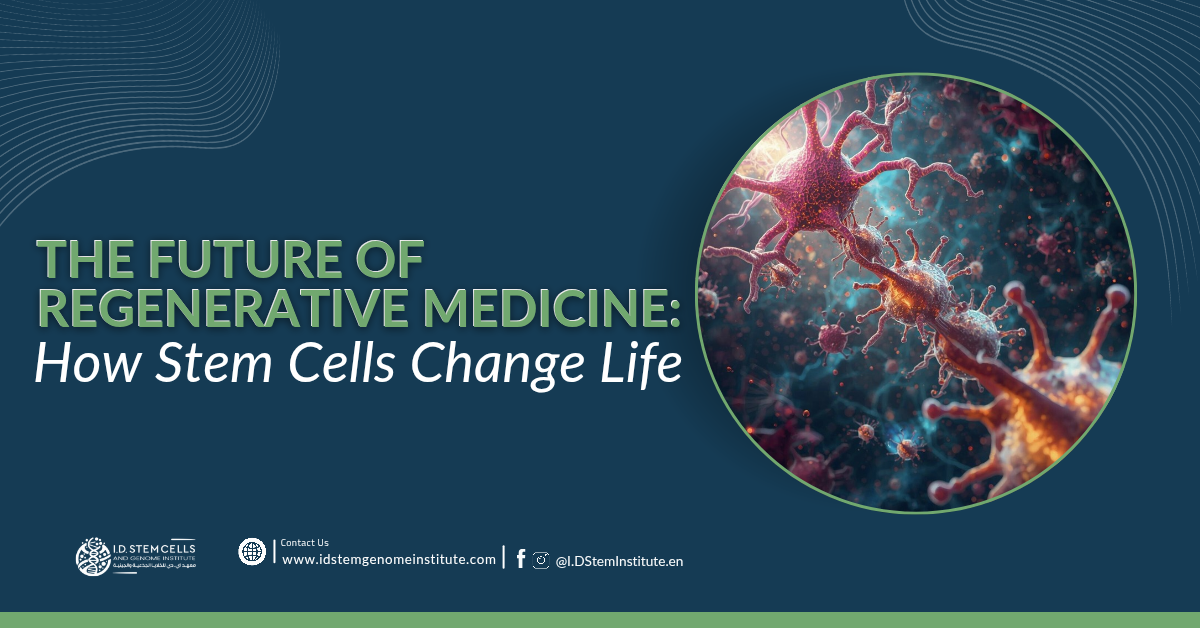
Stem cells and regenerative medicine have the unique ability to create medicine from the body's own cells. This may sound like a science fiction idea, but it's a reality. Stem cells are progenitor cells that have the ability to renew themselves and differentiate into specialized, functionally mature cells in various human tissues.