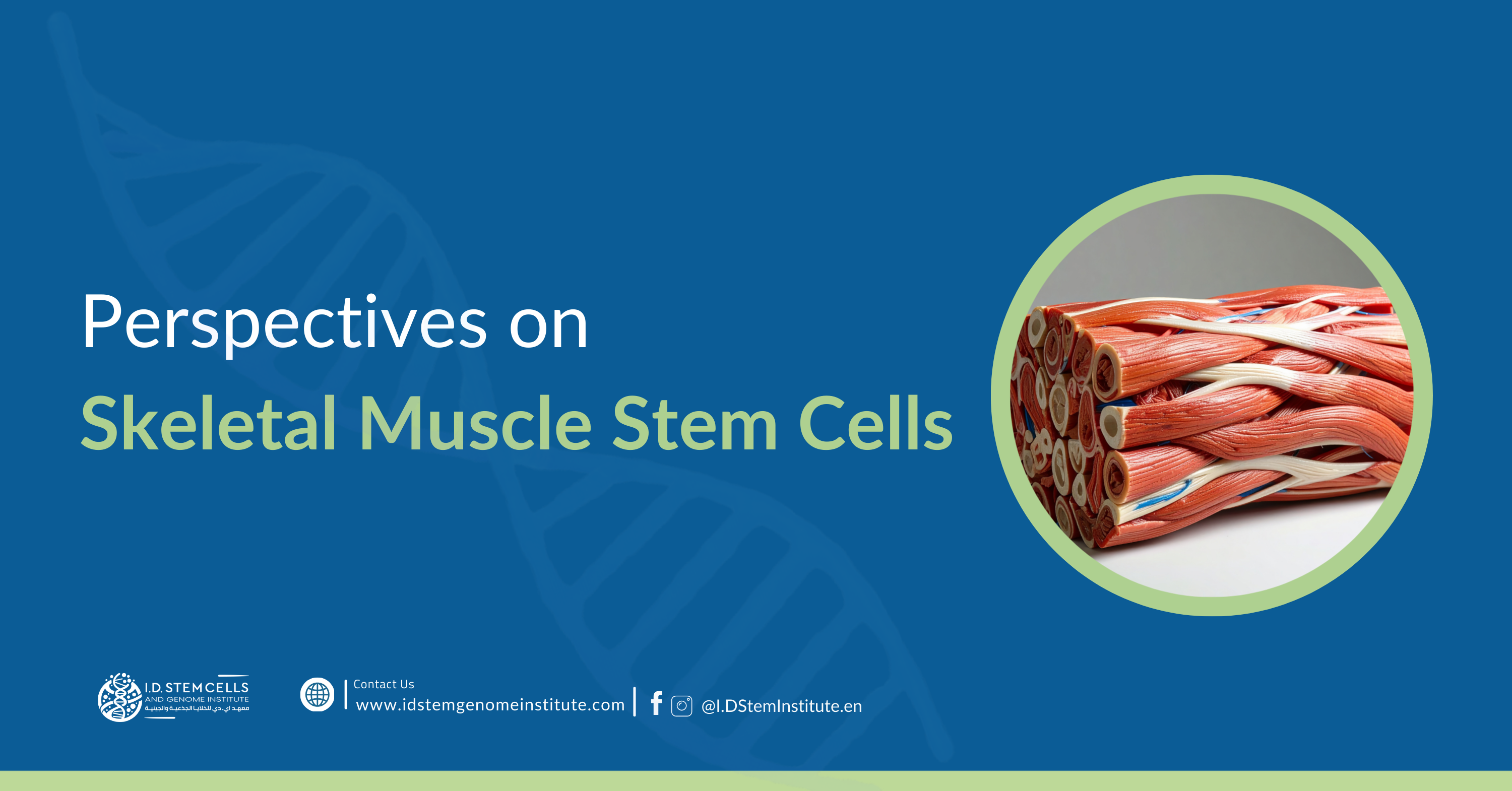
Skeletal muscle accounts for 30-40% of body mass and is a highly organized tissue composed of numerous cells, known as myofibers, formed by the fusion of myogenic progenitor cells.
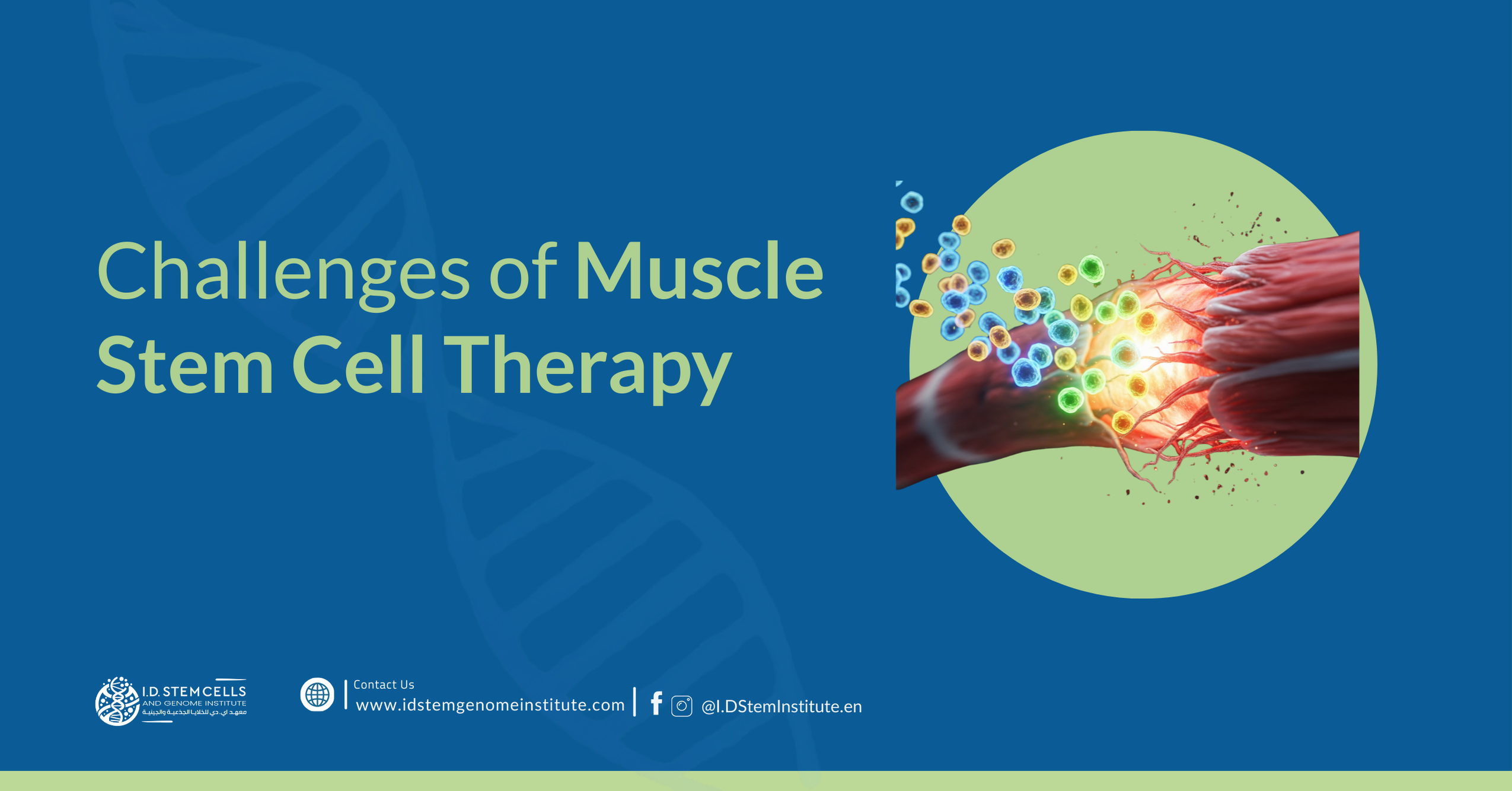
Several obstacles remain in the translation of muscle stem cell therapies to the clinic. First, our understanding of the precise molecular basis that differentiates self-renewing multipotent stem cells from progenitors that cannot engraft muscle fibers remains insufficient. We anticipate further work in this area to yield important breakthroughs on the mechanisms controlling the regenerative potential of MuSCs.
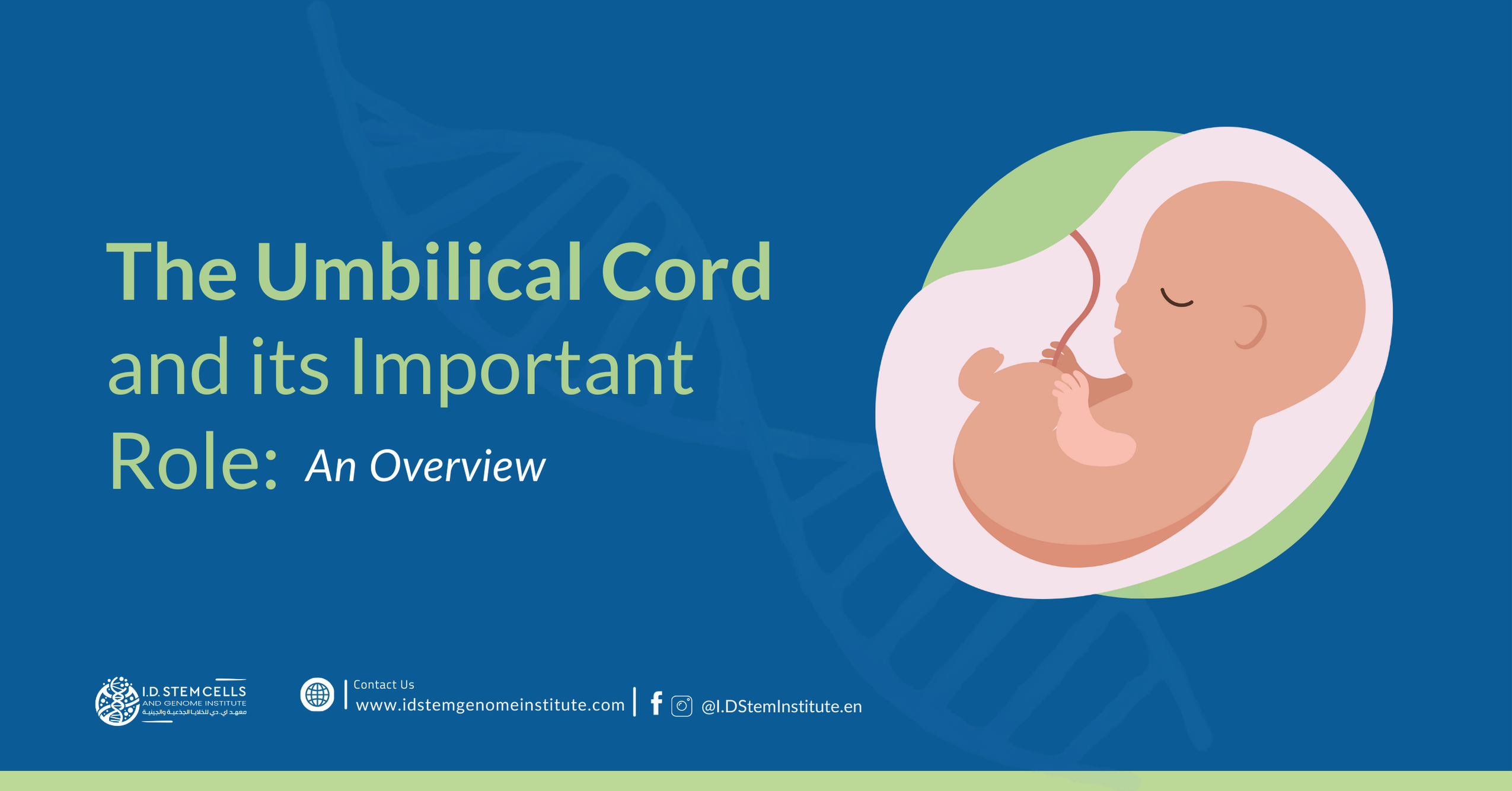
The umbilical cord is the lifeline that connects the fetus to the placenta during pregnancy. It plays a vital role in its growth and development. It is not just a conduit for transporting nutrients and oxygen; it is also a treasure trove of stem cells that hold tremendous therapeutic potential.
Upper extremity injuries are a major disability for athletes, and tendinopathies of the shoulder and elbow are among the most common. Rotator cuff diseases are the most common shoulder conditions for which patients seek medical care. Elbow tendonitis is a common cause of elbow pain. Despite the prevalence of these conditions, the success of currently available treatment options varies. The recurrence rate after rotator cuff repair ranges from 20% to 94%, and recurrence rates reach 25% in cases of untreated elbow tendonitis.
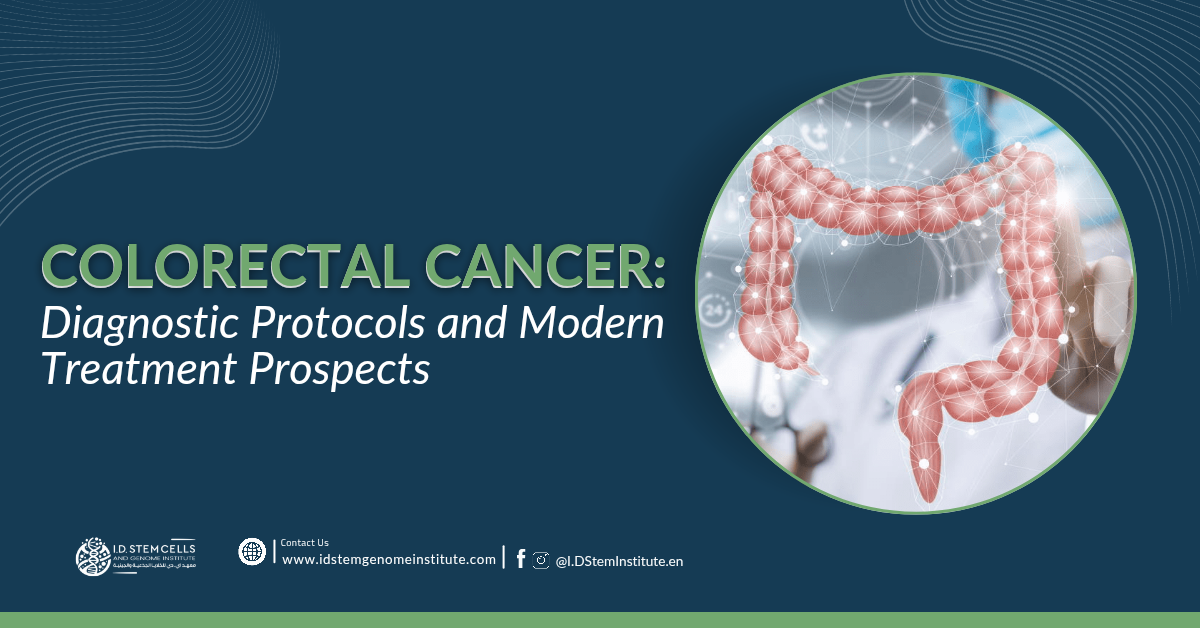
Colorectal cancer is defined as a malignant cell growth originating in the lining of the colon or rectum. Statistically, this disease accounts for 10% of the global cancer burden, ranking third in incidence and second as a leading cause of cancer-related deaths. Data indicate that incidence rates increase proportionally with age, with the majority of cases occurring in individuals over 50 years of age.