Dr.Islam dababseh
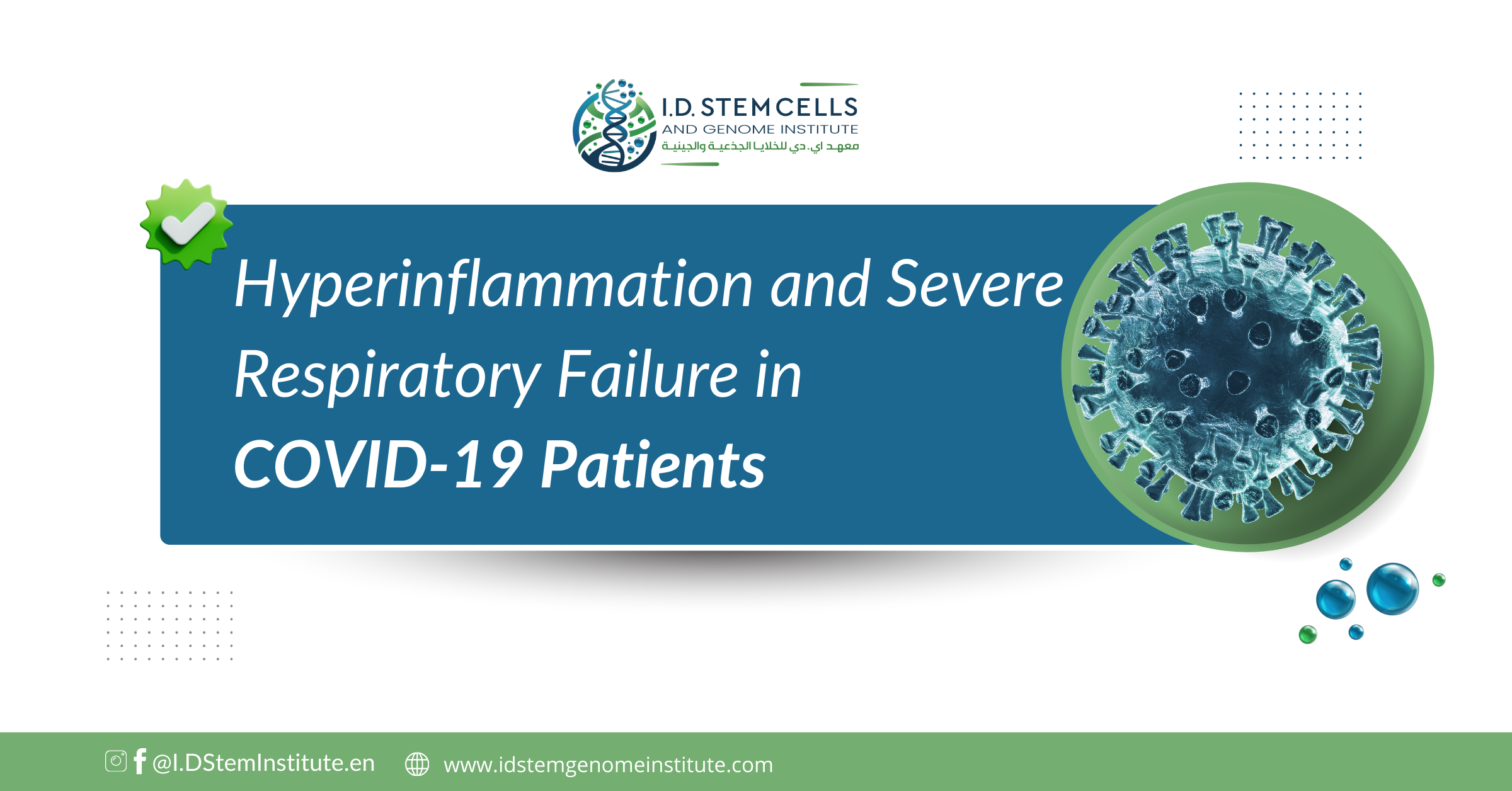
Although COVID-19 has many manifestations, lung injury and severe acute respiratory failure (SRF) are more common.
Although COVID-19 has many manifestations, lung injury and severe acute respiratory failure (SRF) are more common.
As with all infectious diseases, the immune system plays a key role in suppressing the virus. Therefore, it can be assumed that suppressing the immune system would make the situation worse, but this is not as simple as it seems.
Cardiovascular disease (CVD) remains a major global health challenge, causing more than 18 million deaths annually. This burden is particularly heavy in the WHO South-East Asia Region, where CVD causes 3.9 million deaths annually, primarily from heart attacks and strokes. This represents 30% of all deaths in the region, with nearly half of these deaths occurring prematurely, before the age of 70.
Alzheimer's disease is a neurodegenerative disorder characterized by progressive memory loss and cognitive decline, affecting millions of people worldwide. Recent research efforts focus on understanding the molecular pathology, risk factors, diagnostic methods, treatment options, and preventive strategies.
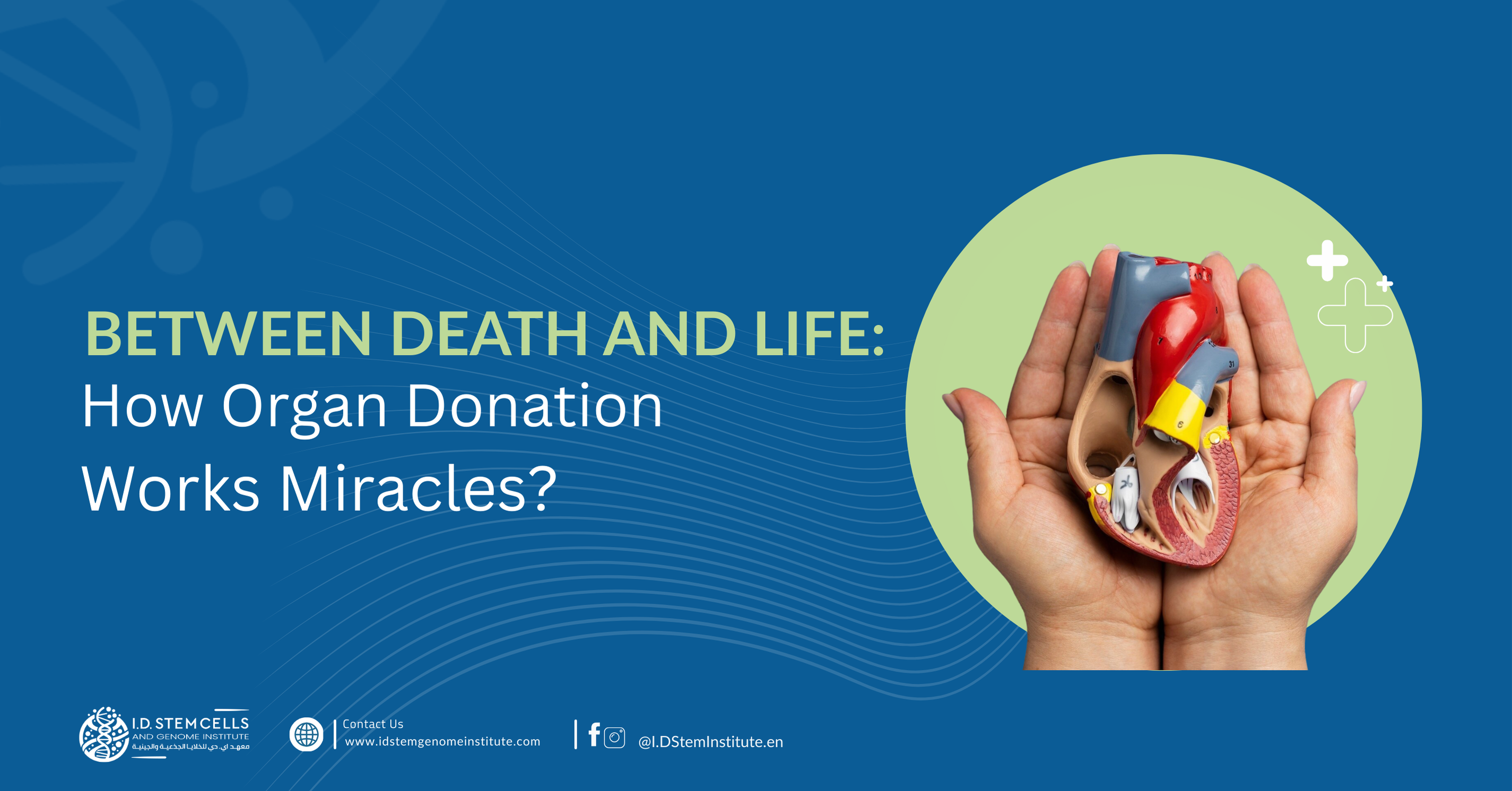
Organ donation is the process of removing an organ or tissue from a healthy person's body and transplanting it into the body of a sick person who needs it. Organ donation is considered a "gift of life" because it can save another person's life and improve their quality of life. Despite significant advances in organ transplantation, there is still a chronic shortage of available organs for donation, resulting in the death of many patients on waiting lists.
For immediate consultation with experts from the I.D. Institute for Stem Cell and Gene Research
For immediate consultation with experts from the I.D. Institute for Stem Cell and Gene Research
you may also like
23 September 2025
Preservation Methods Used for Exosome Storage
قراءة المزيد
20 September 2025
Stem Cell Therapy in Chronic Pain Management: A Regenerative Approach to Long-Term Relief
قراءة المزيد
20 October 2025
Source and Classification of Exosomes: A General Introduction
قراءة المزيد
05 February 2025
Mesenchymal stem cells definition overview
قراءة المزيد
you may also like
23 September 2025
Preservation Methods Used for Exosome Storage
قراءة المزيد
20 September 2025
Stem Cell Therapy in Chronic Pain Management: A Regenerative Approach to Long-Term Relief
قراءة المزيد
20 October 2025
Source and Classification of Exosomes: A General Introduction
قراءة المزيد
05 February 2025
Mesenchymal stem cells definition overview
قراءة المزيد
A medical journal published by the I.D. Institute for Stem Cell and Genome Research
A medical journal published by the I.D. Institute for Stem Cell and Genome Research
I.D. Educational Community
Join the I.D. Community, an interactive environment bringing together experts, alumni, and students. This community aims to:
Exchange Clinical Expertise: Discuss challenging medical cases to enhance treatment outcomes.
Discuss Cutting-edge Research: Explore contemporary debates such as Digital Twins, Gerontology, and AI in medicine.
Build Professional Networks: Connect with leaders in regenerative medicine and global health organizations.
I.D. Educational Community
Join the I.D. Community, an interactive environment bringing together experts, alumni, and students. This community aims to:
Exchange Clinical Expertise: Discuss challenging medical cases to enhance treatment outcomes.
Discuss Cutting-edge Research: Explore contemporary debates such as Digital Twins, Gerontology, and AI in medicine.
Build Professional Networks: Connect with leaders in regenerative medicine and global health organizations.